
Understanding Stroke: Types, Risk Factors, and Recovery Timelines
A comprehensive guide to ischaemic and haemorrhagic stroke — covering early warning signs, acute treatment, and what the first year of recovery looks like.
Parkinson's Disease: Stages, Symptoms, and How Rehab Slows Progression
From diagnosis to advanced care, this guide explains the five stages of Parkinson's and the exercise and therapy interventions proven to maintain quality of life.
Multiple Sclerosis Explained: Relapsing, Progressive, and Managing Daily Life
Types of MS, disease-modifying therapies, and the rehabilitation strategies that help patients maintain mobility, manage fatigue, and stay active through every stage.
Traumatic Brain Injury: Severity Levels, Cognitive Effects, and Rehabilitation Goals
From mild concussion to severe TBI — the spectrum of brain injury presentations and the multidisciplinary rehab team that supports recovery at each level.
Spinal Cord Injury: Complete vs Incomplete, ASIA Classification, and Recovery Potential
Understanding the ASIA Impairment Scale, neurological levels, and the rehabilitation approaches that maximise function after traumatic and non-traumatic spinal cord injuries.
Epilepsy and Physical Rehabilitation: Safe Exercise, Seizure First Aid, and Daily Management
How people with epilepsy can safely participate in rehabilitation, what therapists need to know about seizure management, and lifestyle strategies to support neurological health.
Dementia and Physical Activity: How Movement Preserves Cognitive and Functional Health
Aerobic exercise, cognitively engaging activities, and structured daily routines that slow cognitive decline and maintain independence in people living with dementia.
Peripheral Neuropathy: Causes, Symptoms, and Rehabilitation Approaches
From diabetic neuropathy to chemotherapy-induced nerve damage — the physiotherapy and occupational therapy interventions that improve sensation, balance, and daily function.
Guillain-Barré Syndrome: From Acute Paralysis to Full Rehabilitation Recovery
The ascending paralysis of GBS and the intensive rehabilitation — respiratory, motor, and functional — required to support recovery from this acute neurological condition.
Cerebral Palsy Across the Lifespan: Childhood Rehab to Adult Care
How CP presentations evolve with age, the role of physiotherapy at each life stage, and the evidence for intensive early intervention in improving long-term motor outcomes.

Theraband Resistance Training: 8 Exercises for Upper and Lower Limb Strengthening
Gait Retraining After Stroke: Step-by-Step Walking Drills

Diaphragmatic Breathing Technique: A Complete Guide

Progressive Balance Training: Two-Leg to Single-Leg

Pelvic Floor Activation: Finding and Contracting Correctly

Morning Mobility Routine: 10-Minute Joint Warm-Up

Fine Motor Retraining: Hand Exercises for Stroke Recovery
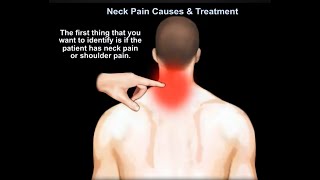
Desk Posture and Ergonomics: Preventing Neck and Back Pain

From Crutches to Confidence: A Safe Return to Weight Bearing After Leg Injury
A structured, phase-by-phase guide to safely transition from non-weight bearing to full weight bearing after leg injury, with exercises for seated weight shifts, standing balance, and stepping practice.

After the Storm: Understanding the Full Scope of Stroke Rehabilitation
A comprehensive guide to stroke rehabilitation: the multi-disciplinary team, early mobilization, physiotherapy, occupational therapy, speech-language therapy, discharge planning, and family support.

Beyond the Mirror: Understanding How Muscles Actually Grow and Why Size Isn't Everything
The science of muscle growth explained: three types of muscle tissue, myofibrillar vs sarcoplasmic hypertrophy, strength vs size training, and seven evidence-based principles for effective resistance training.