

Steady on Your Feet: Leg-Strengthening and Balance Exercises to Reduce the Risk of Falls
Ten leg-strengthening and balance exercises for older adults — from seated knee extension and sit-to-stand to tandem walking and figure-of-eight walks — with progressions and safety guidance.

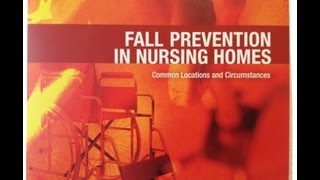
Preventing Falls in Residential Care: A Caregiver's Location-by-Location Approach
Bedroom, bathroom, hallways, outdoors, footwear, and wheelchairs — a practical fall prevention approach for caregivers with the reporting habits that protect residents every shift.

Small Changes, Lasting Independence: Making Your Home Safer Against Falls
Room-by-room home modifications and physical strategies to reduce fall risk — nighttime lighting, bathroom grab bars, medication safety, and the hidden cost of fear after a fall.

After a Fall: The Medical Checks That Help Prevent the Next One
Eight medical checks that should follow a fall — new illness, orthostatic hypotension, blood tests, medication review, gait and balance, cardiac and neurological conditions, and osteoporosis.

Sarcopenia: Reversing Age-Related Muscle Loss Through Resistance Training and Nutrition
How progressive resistance exercise combined with protein optimisation reverses sarcopenia, improves strength, and restores independent function in older adults.

Hip Fracture Rehabilitation: Recovering Mobility and Independence After Surgery
Early mobilisation, weight-bearing progressions, and home modification strategies that help older adults regain walking ability after hip fracture repair.
Physiotherapy for Dementia: How Movement Supports Cognitive and Physical Health
Aerobic exercise, balance training, and structured daily activity programmes that slow cognitive decline and maintain physical function in people with dementia.

Progressive Balance Training: Two-Leg to Single-Leg
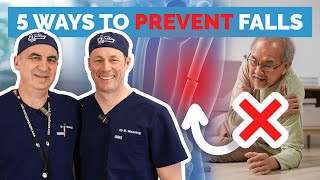
Fall Prevention Exercise Programme at Home
Sit-to-Stand Power for Everyday Independence
Resistance Band Strength for Frailty Reversal
Stroke Rehabilitation: Rebuilding Neural Pathways Through Intensive Movement Therapy
How constraint-induced movement therapy and task-specific training harness neuroplasticity to restore arm and leg function after stroke.
Exercise and Parkinson's: Why Physical Rehab Is Now Considered a Core Treatment
Evidence shows high-intensity exercise slows Parkinson's progression. Our neurological physios explain the best programme types and intensity targets.
Traumatic Brain Injury Recovery: What to Expect in the First Year of Rehabilitation
From acute hospital care to community reintegration, this timeline guides TBI survivors and families through each stage of neurological recovery.
Managing MS Fatigue Through Rehabilitation: Energy Conservation Strategies That Work
Occupational therapy and graded exercise therapy combine to reduce MS fatigue, improve daily function, and maintain independence through relapse and remission.