

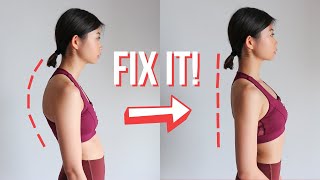
Posture Types and Corrective Exercises: A Rehabilitation Guide for Four Common Imbalances
Corrective exercise routines for lumbar lordosis, thoracic kyphosis, forward head posture, and sway back — targeting the specific muscle imbalances of each type.

Knee Replacement Recovery: Month-by-Month Milestones and Exercise Progressions
A detailed breakdown of TKR rehab milestones, pain management, and the exercises that restore full function after joint replacement surgery.
ACL Reconstruction: A Complete Return-to-Sport Rehabilitation Protocol
From day-one swelling control to sport-specific agility training, this ACL rehab guide covers all five return-to-sport criteria used by professional physios.
Rotator Cuff Repair Rehab: Phases, Timelines, and Regaining Full Shoulder Function
Progressive rotator cuff rehabilitation across four phases — from passive range-of-motion to full overhead strengthening — with realistic return timelines.
Fracture Rehabilitation: The Stages of Bone Healing and When to Start Physiotherapy
How bones heal, the role of early mobilisation versus immobilisation, and the physiotherapy progressions that restore strength and function after fracture.
Total Knee Replacement: Early Recovery Exercises

Rotator Cuff Rehabilitation Exercise Series
ACL Reconstruction Rehab: Phase-by-Phase Guide

Frozen Shoulder Mobility and Stretching

Stroke Rehabilitation: Rebuilding Neural Pathways Through Intensive Movement Therapy
How constraint-induced movement therapy and task-specific training harness neuroplasticity to restore arm and leg function after stroke.
Exercise and Parkinson's: Why Physical Rehab Is Now Considered a Core Treatment
Evidence shows high-intensity exercise slows Parkinson's progression. Our neurological physios explain the best programme types and intensity targets.
Traumatic Brain Injury Recovery: What to Expect in the First Year of Rehabilitation
From acute hospital care to community reintegration, this timeline guides TBI survivors and families through each stage of neurological recovery.
Managing MS Fatigue Through Rehabilitation: Energy Conservation Strategies That Work
Occupational therapy and graded exercise therapy combine to reduce MS fatigue, improve daily function, and maintain independence through relapse and remission.