

Small Muscles, Big Difference: A Five‑Exercise Pelvic Floor Rehabilitation Routine
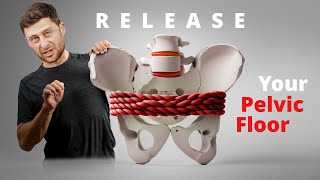
A five-step programme — pelvic tilts, directional clocks, staged ball squeeze, supine obturator isometric, and prone belt push — to restore pelvic floor function, reduce pain, and improve hip stability.

Pelvic Floor Recovery After Birth: What Every New Mother Should Know
Why postpartum pelvic floor physiotherapy is essential after both vaginal and caesarean births — addressing incontinence, prolapse risk, and returning to exercise safely.
Diastasis Recti: How to Heal Abdominal Separation With the Right Rehab Programme
Assessment, breathing strategies, and progressive core rehabilitation to close diastasis recti and restore functional abdominal strength after pregnancy.
Postpartum Back and Pelvic Girdle Pain: Causes, Rehab Exercises, and Recovery Timeline
Targeted exercises and manual therapy approaches to resolve persistent postpartum lumbar and sacroiliac joint pain — with realistic recovery timelines.
Returning to Running After Birth: A Physiotherapist's 12-Week Programme
The evidence-based 12-week framework for safely returning to running postpartum, with load management, pelvic floor readiness tests, and red-flag warnings.

Pelvic Floor Activation: Finding and Contracting Correctly
Diastasis Recti Safe Core Recovery Exercises

Safe Return to Running Programme Postnatally

Pelvic Girdle Pain Relief Stabilisation Drills

Stroke Rehabilitation: Rebuilding Neural Pathways Through Intensive Movement Therapy
How constraint-induced movement therapy and task-specific training harness neuroplasticity to restore arm and leg function after stroke.
Exercise and Parkinson's: Why Physical Rehab Is Now Considered a Core Treatment
Evidence shows high-intensity exercise slows Parkinson's progression. Our neurological physios explain the best programme types and intensity targets.
Traumatic Brain Injury Recovery: What to Expect in the First Year of Rehabilitation
From acute hospital care to community reintegration, this timeline guides TBI survivors and families through each stage of neurological recovery.
Managing MS Fatigue Through Rehabilitation: Energy Conservation Strategies That Work
Occupational therapy and graded exercise therapy combine to reduce MS fatigue, improve daily function, and maintain independence through relapse and remission.