

When Words Won't Come: Understanding Aphasia and How to Communicate With Compassion
A practical guide to understanding aphasia — what it is, how it differs from dementia, and evidence-based strategies for compassionate, effective two-way communication with people who have aphasia.

Understanding Dysphagia: Why Swallowing Becomes Difficult and What Lies Behind It
A clear explanation of dysphagia — what it is, how the three phases of swallowing work, and the structural and neurological causes behind oropharyngeal and esophageal swallowing difficulty.

The Many Forms of Aphasia: How Brain Injury Shapes Different Patterns of Language Loss
How injury to Broca's area, Wernicke's area, the arcuate fasciculus, and the angular gyrus produces the distinct aphasia types — from non-fluent to fluent, global, conduction, transcortical, and anomic.

Weakness in the Voice: Understanding Flaccid Dysarthria and Why It Matters
How lower motor neuron damage produces weak, breathy speech and hypernasality — from myasthenia gravis to ALS and stroke — and why recognizing the signs leads to timely neurological evaluation.
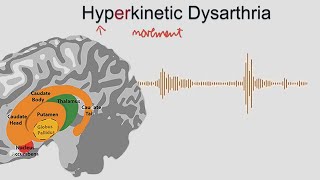
Aphasia Recovery After Stroke: A Speech Therapist's 12-Week Programme Explained
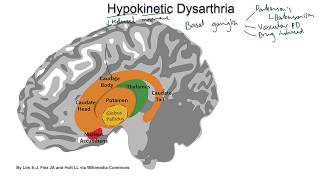
Dysphagia Exercises: Step-by-Step Swallowing Rehab Demonstrated by a Specialist
Is My Child's Speech Delayed? A Speech-Language Pathologist Answers Common Questions
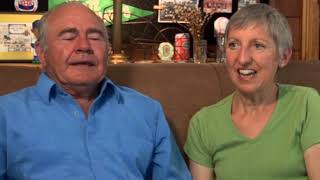
Dysarthria and Voice Therapy: Real Patient Progress After Traumatic Brain Injury

7 Simple Exercises That Can Significantly Lower Your Stroke Risk
Seven evidence-based, equipment-free exercises that lower stroke risk: brisk walking, wall push-ups, leg raises, neck and shoulder rolls, seated marching, balance drills, and deep breathing.

Recognising Sepsis: A Step-by-Step Guide to Early Assessment and Management
A practical ABCDE guide to early sepsis recognition and management, including Sepsis Six, escalation, and key warning signs for rapid intervention.
Ten Principles of Activity-Dependent Neuroplasticity for Recovery After Brain or Spinal Cord Injury
Ten practical principles of activity-dependent neuroplasticity to guide stroke, brain injury, and spinal cord rehabilitation through targeted, repeated, meaningful movement.

Restoring Shoulder Movement After Stroke: A Top-Down Approach to Arm Rehabilitation
A step-by-step top-down approach to post-stroke shoulder and arm rehabilitation, from sensory awakening to active movement while preventing pain and subluxation.