

Needles, Energy, and Balance: An Introduction to Acupuncture and Traditional Chinese Medicine
What acupuncture and TCM are, how qi and meridians work, what conditions acupuncture is used for, what a session feels like, and what the evidence does and does not support.

The Meaning Behind the Movements: The Traditional Ideas Within the Eight Brocades Qigong
The organs, emotions, and imagery traditionally associated with each Ba Duan Jin piece — turning a physical routine into a thoughtful, intentional practice.

Hands, Heat, and Tradition: What a Tuina Session Involves and How to Understand It
How a Tuina session unfolds from consultation to lower-back work, what the traditional tools and heat techniques do, and how to assess the claims with a balanced, informed view.

The Eight Pieces of Silk Brocade: A Gentle Qigong Routine for Everyday Wellbeing
A clear introduction to Ba Duan Jin — what each of the eight movements is, how breath and motion work together, and why this centuries-old routine suits almost any age or fitness level.
TCM rehabilitation draws on four time-tested traditional techniques that work together with modern clinical care. Each method targets recovery through a different mechanism — needles, hands, herbal warmth, and mindful movement — to restore circulation, relieve pain, and rebalance the body's natural energy flow.
Acupuncture
Fine needles inserted at specific meridian points stimulate nerves, improve circulation, and trigger the body's natural healing response. Used for post-stroke recovery, chronic pain, and musculoskeletal rehabilitation.
Tuina Massage
A therapeutic manual technique combining deep tissue manipulation, acupressure, and joint mobilisation along meridian channels — relieving muscle tension, improving range of motion, and supporting soft tissue recovery.
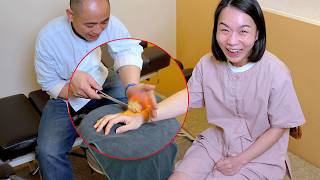
Herbal Steam Therapy
Medicated herbal steam delivers warming, anti-inflammatory compounds through the skin. This traditional fumigation method eases joint stiffness, improves microcirculation, and accelerates healing after injury or surgery.
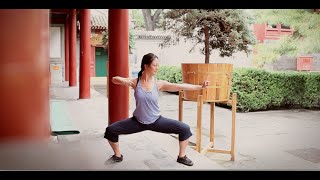
Traditional Guiding Exercises
Tai Chi, Qigong, and other Daoyin practices combine slow movement, breathwork, and mental focus. These low-impact exercises rebuild balance, prevent falls, and support neurological and cardiopulmonary recovery.
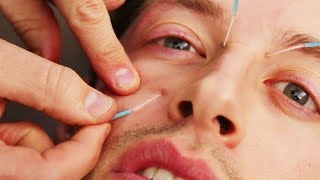
Acupuncture for Post-Stroke Recovery: A Practitioner Demonstrates Key Meridian Points

Tuina Massage Techniques: Step-by-Step Demonstration for Back and Neck Pain Relief
Herbal Steam Therapy Up Close: Traditional Fumigation for Arthritis and Joint Recovery
Tai Chi for Rehabilitation: A Gentle Daily Practice for Balance, Strength, and Flow

7 Simple Exercises That Can Significantly Lower Your Stroke Risk
Seven evidence-based, equipment-free exercises that lower stroke risk: brisk walking, wall push-ups, leg raises, neck and shoulder rolls, seated marching, balance drills, and deep breathing.

Recognising Sepsis: A Step-by-Step Guide to Early Assessment and Management
A practical ABCDE guide to early sepsis recognition and management, including Sepsis Six, escalation, and key warning signs for rapid intervention.

Ten Principles of Activity-Dependent Neuroplasticity for Recovery After Brain or Spinal Cord Injury
Ten practical principles of activity-dependent neuroplasticity to guide stroke, brain injury, and spinal cord rehabilitation through targeted, repeated, meaningful movement.

Restoring Shoulder Movement After Stroke: A Top-Down Approach to Arm Rehabilitation
A step-by-step top-down approach to post-stroke shoulder and arm rehabilitation, from sensory awakening to active movement while preventing pain and subluxation.